
The Importance of Visibility in Scientific Spaces for Enhancing Collaboration and Innovation

Visibility in scientific spaces ensures that diverse voices contribute to knowledge and innovation. It challenges the traditional gatekeeping of ideas and creates a more inclusive environment where different perspectives can thrive. This inclusion leads to richer research outcomes and accelerates scientific progress. When scientists from various backgrounds are seen and heard, it encourages collaboration and […]
How LGBTQ+ Mentors Shape the Next Generation of Scientists by Fostering Inclusion and Innovation

LGBTQ+ mentors play a crucial role in shaping the next generation of scientists by offering representation, guidance, and support that acknowledge diverse identities. Their visibility helps create inclusive environments where young scientists feel valued and understood. These mentors contribute directly to fostering innovation and resilience by encouraging authenticity and providing role models who navigate both […]
Understanding Mental Health Disparities in Queer Youth: Causes, Challenges, and Solutions

Mental health disparities among queer youth are significant and rooted in social stigma, discrimination, and exclusion. These young people often face higher rates of anxiety, depression, and suicidal thoughts compared to their heterosexual peers due to challenges in receiving acceptance and support. Understanding these disparities requires recognizing the unique stressors that queer youth encounter daily, […]
How Medical Research Can Better Support LGBTQ+ Communities Through Inclusive Practices and Targeted Health Solutions

Medical research often overlooks the unique health needs of LGBTQ+ communities, leading to gaps in care and understanding. To better support these populations, research must prioritize inclusive data collection, address health disparities, and engage directly with LGBTQ+ individuals to ensure their experiences shape study designs. The most effective way for medical research to support LGBTQ+ […]
Creating Safe Learning Spaces for LGBTQ+ Science Students: Enhancing Inclusion and Support

Creating safe learning spaces for LGBTQ+ science students is essential to fostering inclusion and academic success. Safe environments reduce discrimination and encourage authentic participation, allowing students to focus on learning without fear. This support improves mental health and engagement, which directly impacts performance in demanding fields like science. Effective strategies involve clear policies against harassment, […]
Making Science Fair Projects More Inclusive and Relevant to Foster Diverse Student Engagement
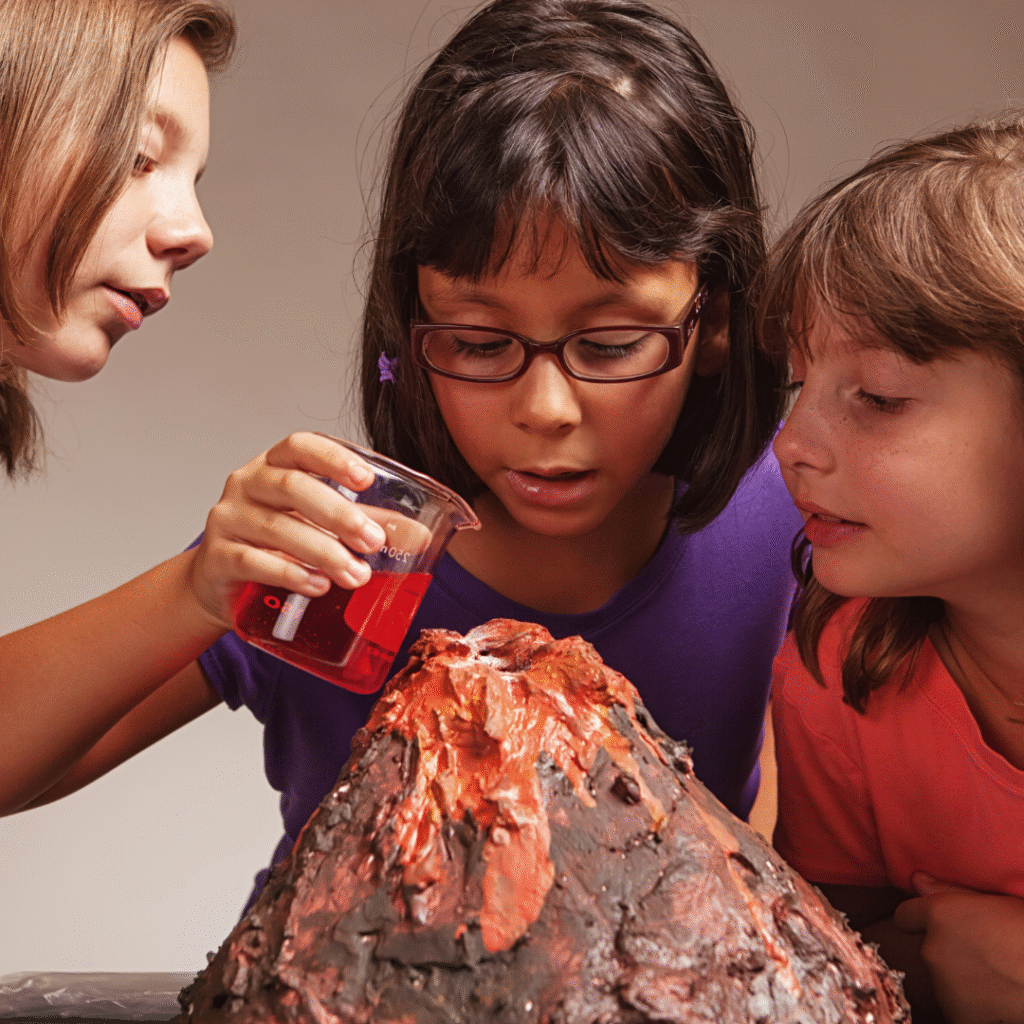
Science fair projects often shape students’ understanding and interest in science. However, many projects fail to connect with the diverse backgrounds and experiences of all students. Making science fair projects more inclusive and relevant ensures that every student finds meaning and opportunity in scientific exploration. Inclusive projects consider cultural perspectives, varied learning styles, and accessible […]
Supporting Queer Students in Science Labs Through Inclusive Practices and Policies

Supporting queer students in science labs creates an inclusive environment where all individuals can thrive academically and personally. Providing respect, safe spaces, and inclusive practices is essential to eliminating discrimination and fostering participation. Science labs often emphasize collaboration and innovation, but queer students may face unique challenges that affect their learning experience. Addressing these challenges […]
Health Education That Includes Queer and Trans Experiences for Inclusive Well-being

Health education often overlooks the specific needs and experiences of queer and trans individuals, leaving gaps in understanding and care. Including queer and trans experiences in health education ensures more accurate, inclusive, and effective health information for all. This approach promotes better support, awareness, and outcomes for these communities. Recognizing diverse identities helps dismantle stigma […]
Bridging the Gap Between LGBTQ+ Identity and Scientific Careers: Advancing Inclusion and Equity in STEM Fields
Many LGBTQ+ individuals face unique challenges when pursuing careers in science, technology, engineering, and mathematics (STEM). These challenges range from workplace discrimination to a lack of visible role models, which can limit access to resources and support. Bridging the gap between LGBTQ+ identity and scientific careers requires creating inclusive environments that value diversity and foster […]
The Importance of Intersectionality in Inclusive Science Education for Equitable Learning Outcomes

Inclusive science education must recognize the diverse identities and experiences of all students. Intersectionality, which examines how various social categories like race, gender, and class overlap, is essential for understanding these differences in educational settings. Integrating intersectionality in science education helps create a learning environment where all students feel represented and supported, improving engagement and […]